Your Cart (0)



Sparkle Sustainably: The Rise of Lab-Grown Diamond Tennis Bracelets
Jewelry With a New Kind of Story
When people look at jewelry, they don’t just see shine. They see a story. A memory. A feeling. A pair of earrings might bring someone back to their wedding day; a necklace might recall a grandmother who wore the same style for years. A bracelet, especially one with a line of glittering stones, might tell a story of love or even achievement.
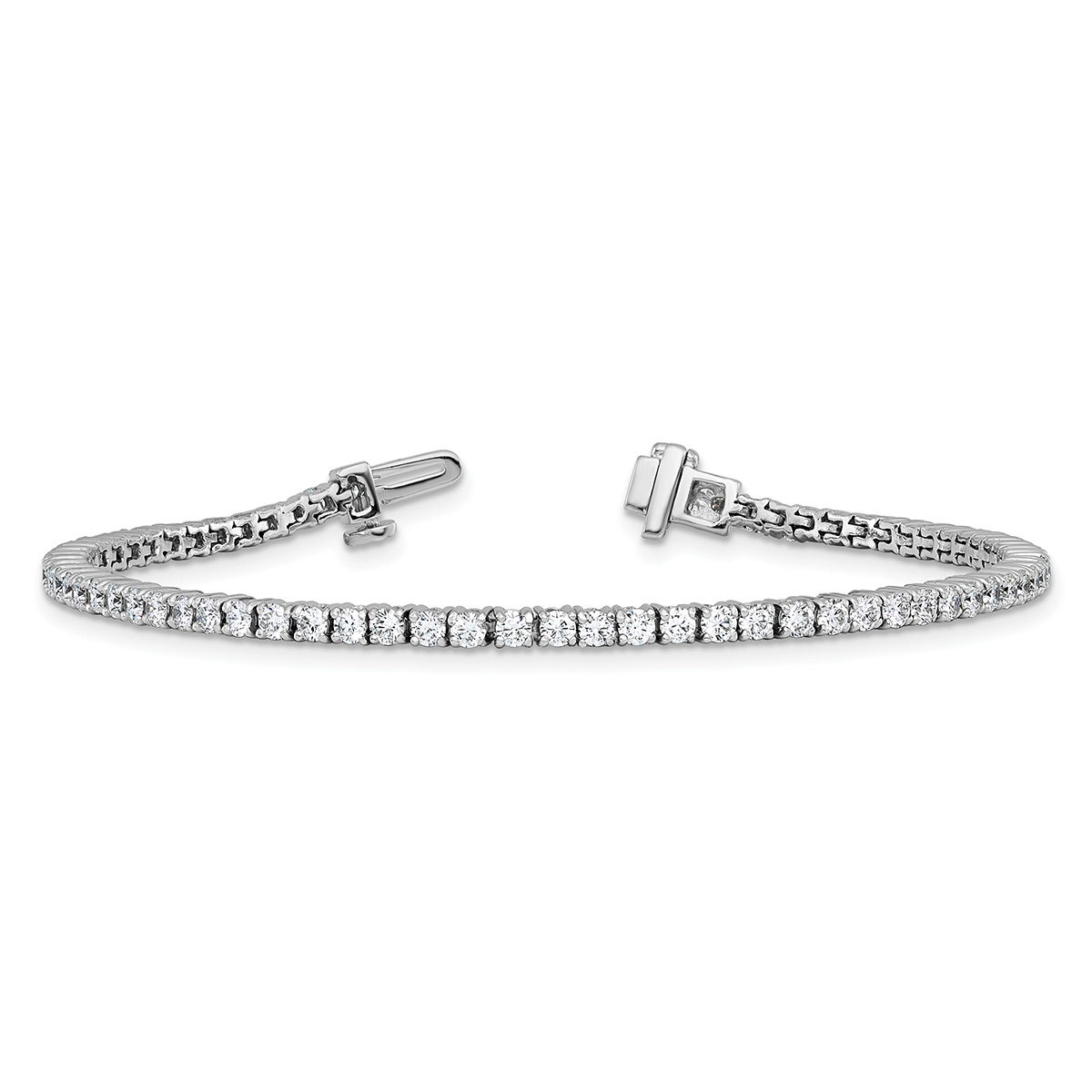
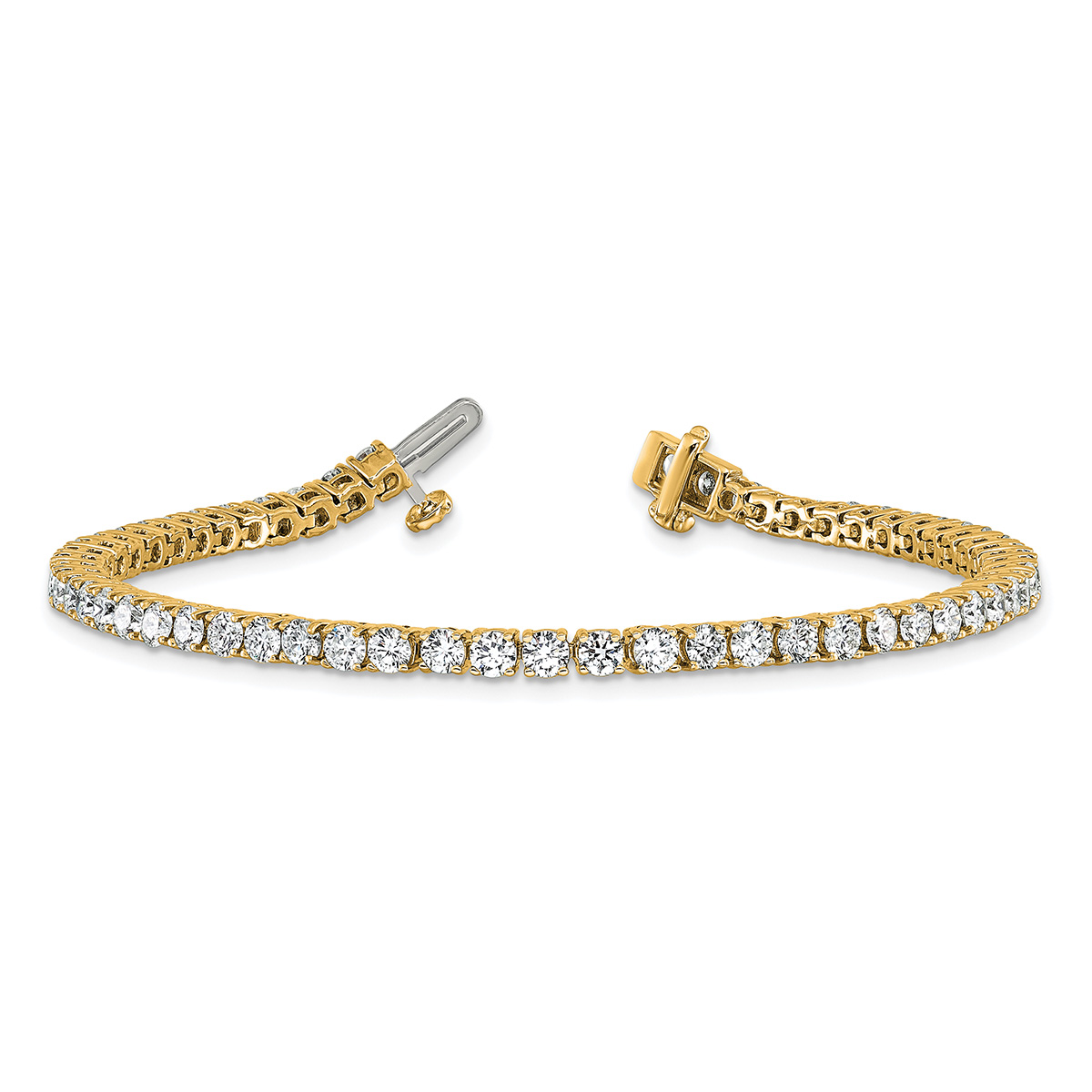
Over the past ten years, one story in particular has started showing up everywhere: Lab Grown Diamond Tennis Bracelets. What used to feel like a niche choice—something only a few jewelers carried—has gone mainstream. Walk into more and more stores today, and you’ll see them right beside the “traditional” mined diamond pieces. Why? Because people aren’t just buying sparkle anymore. They’re asking questions: Where did this come from? Who mined it? What was the cost to the earth?
For many, the answer now comes in the form of a bracelet: a row of brilliant stones, grown above ground, set into a design that feels both classic and fresh.
Why the Tennis Bracelet Still Matters
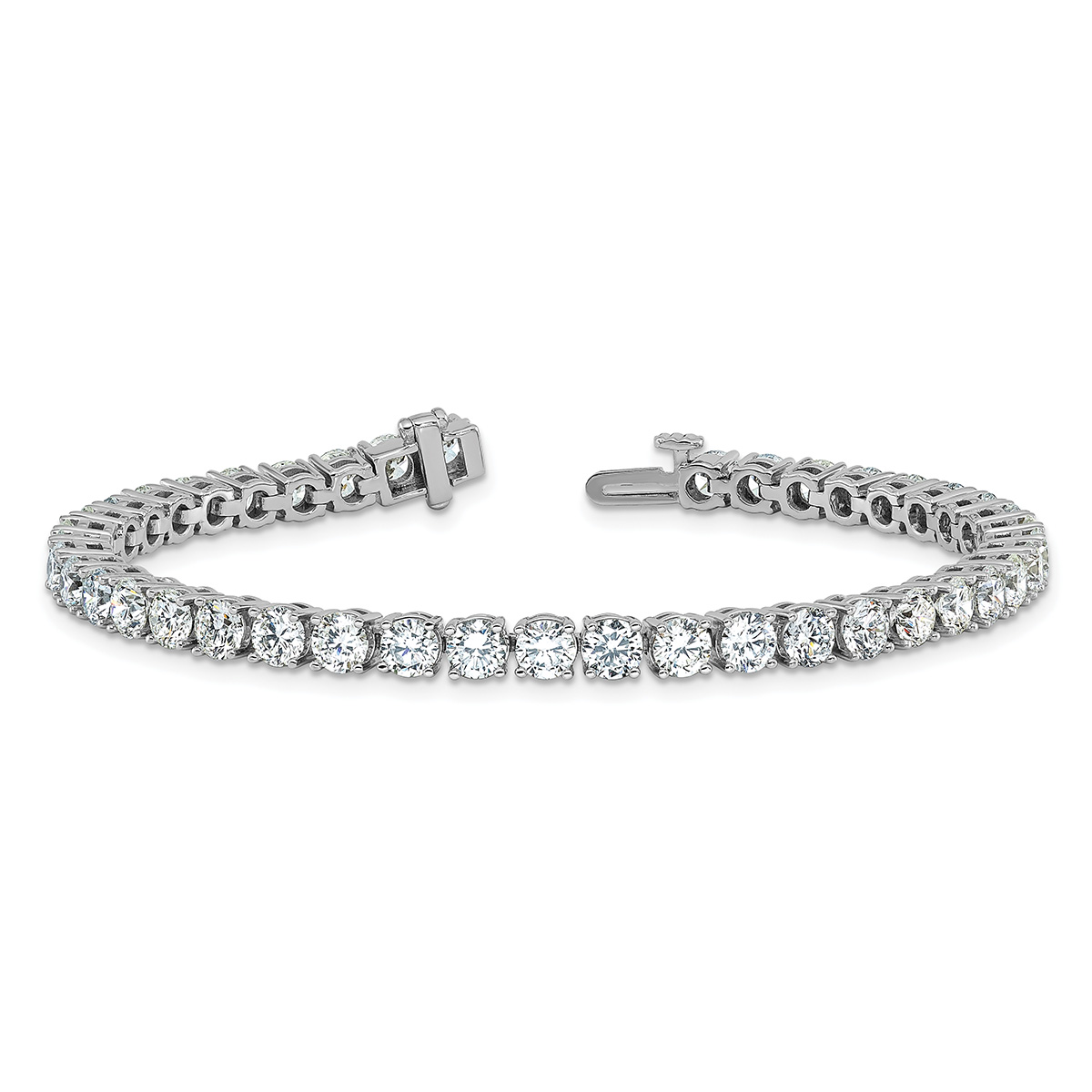
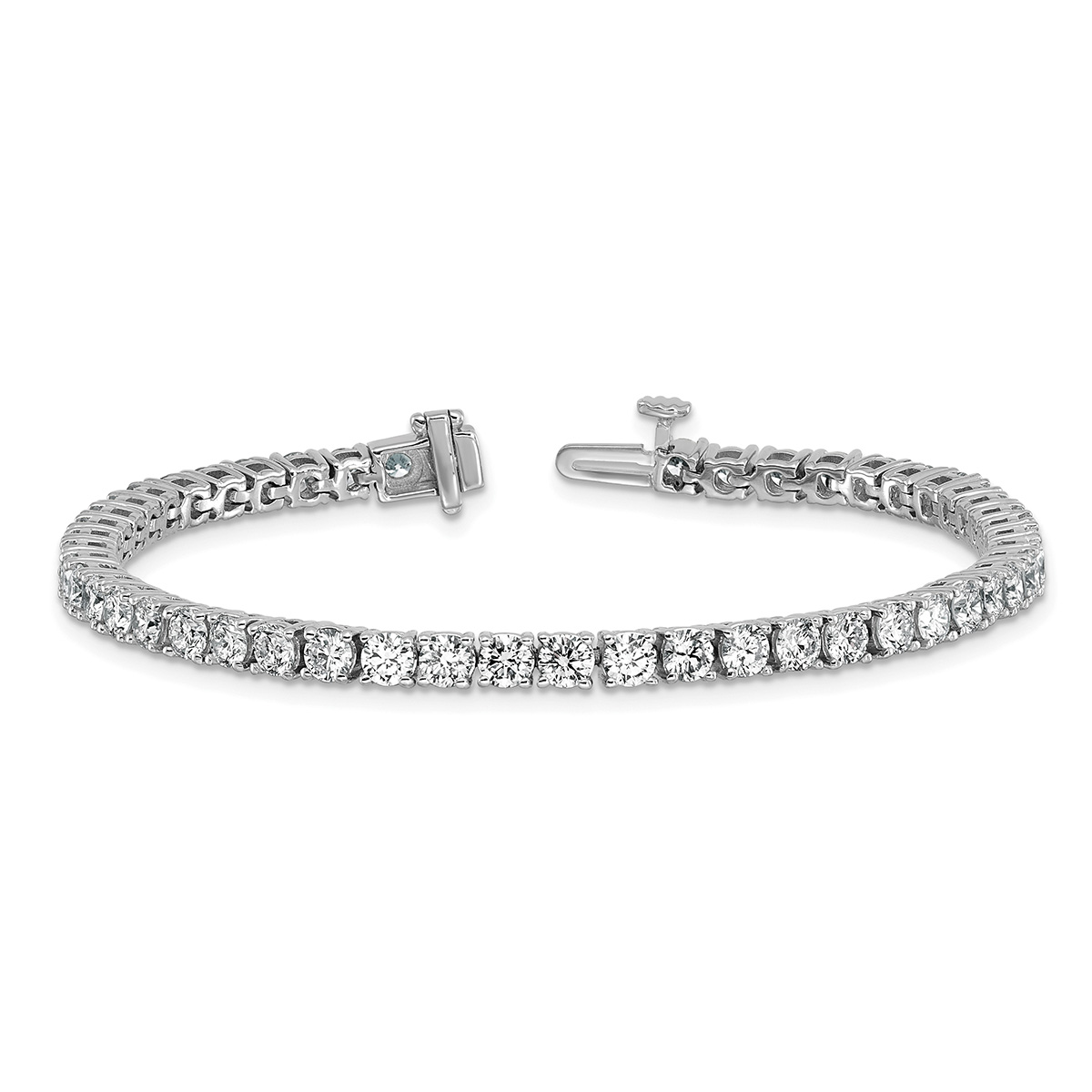
The tennis bracelet has a strange staying power. Think of jewelry pieces that never quite fall out of style—simple gold hoops, a plain wedding band, a solitaire engagement ring. The tennis bracelet belongs in that group. It’s as simple as it gets: a neat line of diamonds, evenly matched, circling the wrist. No big centerpiece. No complicated design. Just quiet balance.
And maybe that’s why it’s lasted. You can wear it with a cocktail dress or with jeans. It’s flexible in a way many statement pieces aren’t. Fashion editors keep calling it “classic” for a reason—it never feels out of place.
But here’s what’s new: people now expect more from their jewelry. They don’t just want timeless style—they want confidence that what they’re wearing matches their values. That’s why Diamond Bracelets of the lab-grown variety are stealing attention. The bracelet hasn’t changed; the stones have.
What “Lab-Grown” Really Means
The phrase still confuses some people. “Lab-grown? Does that mean fake?” It doesn’t. The science is actually fascinating. Deep under the earth, heat and pressure squeeze carbon into diamonds. In a lab, scientists recreate that same process. They use high pressure, high temperature, or a method called chemical vapor deposition. Atoms of carbon arrange themselves just as they do in nature.
The outcome? A diamond. Not an imitation. Not glass. Not cubic zirconia. A real diamond that even seasoned jewelers can’t tell apart from mined stones without advanced testing equipment. The sparkle? Identical. The hardness? The same 10 on the Mohs scale. What you’re missing is the environmental cost and many of the ethical worries tied to mining.
That difference matters to buyers. Mining scars landscapes, requires enormous resources, and in some parts of the world, comes with human rights issues. Lab production avoids much of that. Which is why younger shoppers—and many older ones too—are calling Lab Made Diamond Jewelry the smarter, more responsible way forward.
The Value Conversation
Price is a big part of the story. Traditional tennis bracelets often felt out of reach. Dozens of mined diamonds, each carefully matched, add up to a small fortune. For a long time, only the very wealthy could casually wear one.
Lab-grown stones changed that math. Without mining costs inflating the price, suddenly people could afford not just one bracelet but sometimes an entire matching set. Someone who once thought, “Maybe for my 25th anniversary,” is now realizing they can buy one for a birthday or even just because they love the style.
And here’s the twist: this affordability hasn’t made the bracelet feel less luxurious. Instead, it’s changed the definition of luxury. It’s not just about exclusivity anymore. It’s about having choices. Do you want larger stones? A bolder row? Or do you want to layer two bracelets side by side? With lab-grown, those possibilities are on the table in a way they weren’t before.
Culture Shapes Jewelry, and Jewelry Shapes Culture
Jewelry doesn’t float in a vacuum. It always reflects the culture around it. In the past, diamonds were mostly about status. The bigger the stone, the more powerful the statement. That’s shifted. Today, people still love brilliance, but they also want their jewelry to reflect their personal ethics.
Think about fashion in general: sustainable clothing, organic skincare, farm-to-table dining. The same values have moved into jewelry. A Lab Grown Diamond Tennis Bracelet isn’t just a style statement—it’s a cultural one. It says, “I care about how things are made.”
Even on the red carpet, this is obvious. A decade ago, no celebrity stylist would have picked lab-grown diamonds for a major awards show. Now, it’s normal. You’ll see actresses, athletes, and singers wearing them without hesitation. Jewelry, like fashion, adapts to what society values. Right now, that value is responsibility without giving up beauty.
Gifting With More Than Sparkle
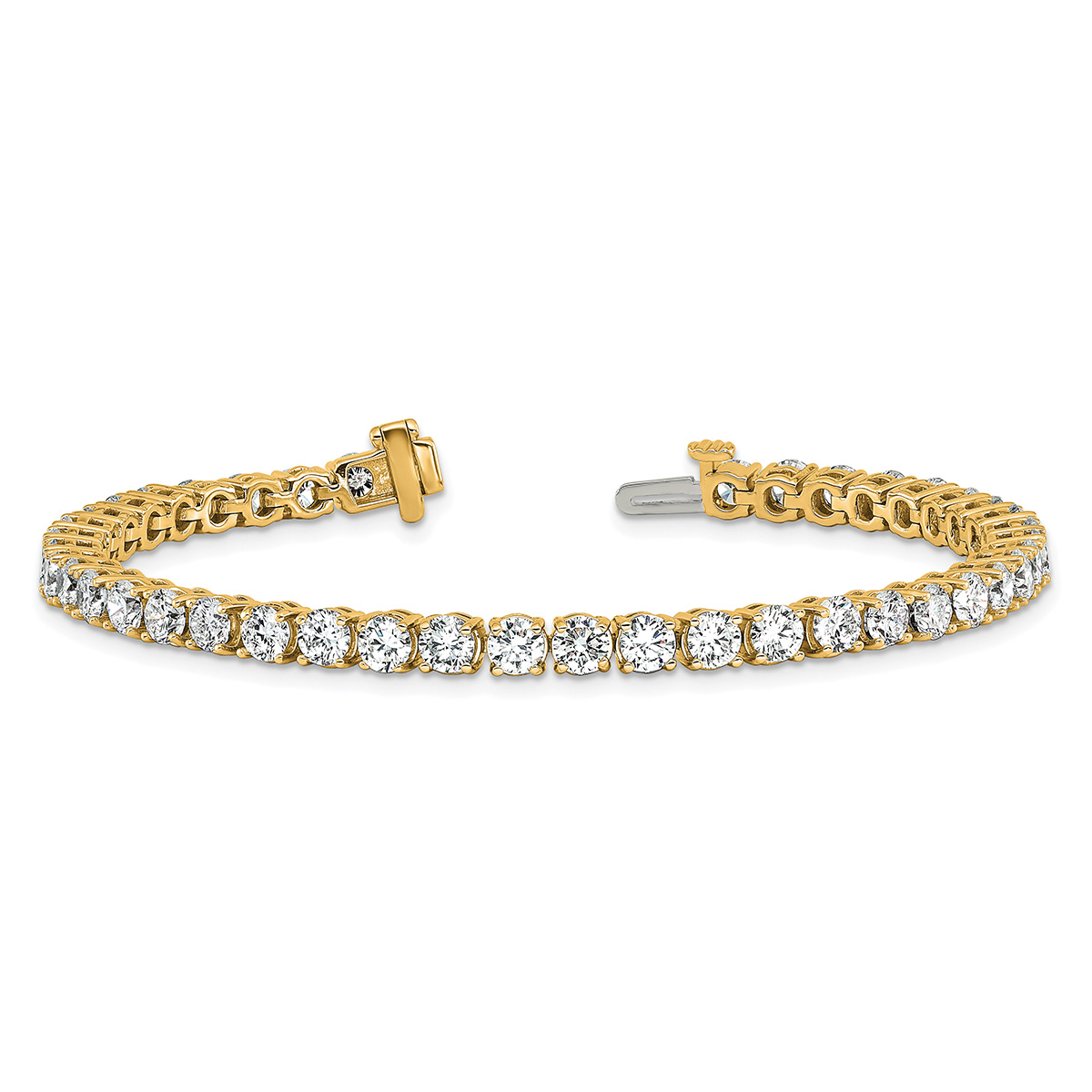
The tennis bracelet has always been a go-to gift. Anniversaries, milestone birthdays, Christmas mornings—boxes with delicate chains and diamonds inside never fail to make someone’s eyes light up. But now there’s another layer to the meaning.
Giving one of these bracelets today doesn’t just say, “I wanted you to have something beautiful.” It also says, “I thought about how it was made, too.” For a spouse or partner who cares about sustainability, that consideration is often as meaningful as the diamonds themselves.
And think about heirlooms. A bracelet passed down to a daughter or son isn’t only a family treasure anymore. It’s a marker of a turning point in how people buy jewelry. It’s proof that tradition and modern values can blend.
Where Jewelry Is Headed
Will lab-grown replace mined diamonds completely? Probably not, at least not anytime soon. There will always be collectors and buyers who want a stone pulled from the earth, with the natural history that comes with it. But it’s hard to ignore the momentum. More jewelers are stocking lab-grown lines. More couples are choosing them for engagement rings. More everyday buyers are realizing they can upgrade their jewelry collection without overspending.
The tennis bracelet, in particular, tells this story well. It’s classic. It’s familiar. Yet when you fill it with lab-grown stones, it becomes a symbol of new values too. That rare mix—something old, something new—has given the piece a second life. It’s not just surviving; it’s thriving.
Related Posts


Recent Posts
Yellow Gold Chains You Can Wear in the Shower
Engravable Thick Gold Disc Charm Pendants: The Gift That Lasts Forever
Braided Wedding Bands Tell the Story of Two Lives Woven Into One
The Soft Strength of Women's Gold Crosses: Faith That Feels Feminine
Why 18K Gold Cross Pendants Never Go Out of Style
Why Cross-Inspired Christian Engagement Rings Are Dominating Bridal Fashion
Why Christian Patriots Are Choosing American Flag Jewelry
How Wearing a Cross Pin Can Deepen Your Daily Prayer Life
The Beautiful Story Behind Handmade Braided Wedding Bands
Why More Men Are Wearing Gold Crucifix Necklaces