Your Cart (0)



Why Gold Wheat Chains Are the Most Textured Chain You’ll Ever Wear
A Chain Style That Looks Different From Every Angle
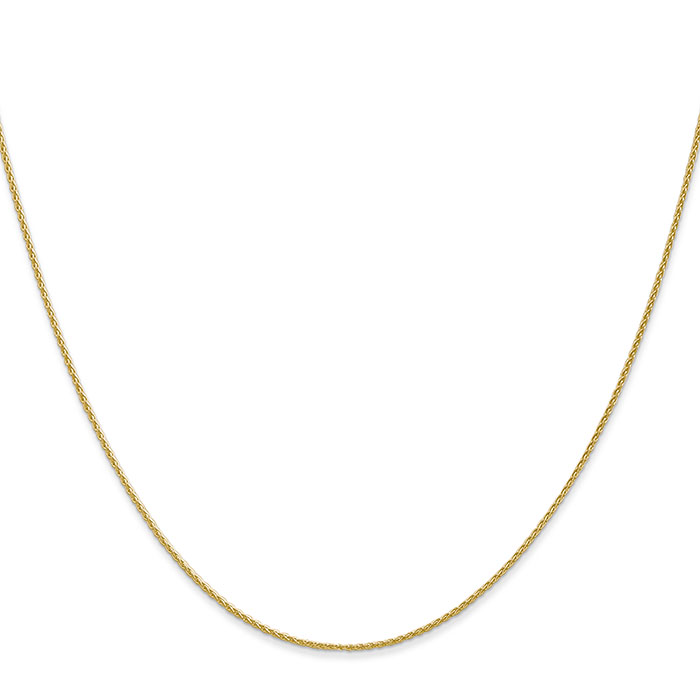
Some chain styles depend on shine alone. Others rely on oversized links or unusual shapes to stand out. Wheat chains work differently. Their appeal comes from texture. Not roughness, but movement. Depth. The way the links seem to fold into each other so tightly that the chain almost looks woven instead of assembled.
That is one reason gold wheat chains continue to hold attention even in a jewelry world filled with louder designs. They do not need exaggerated proportions or complicated patterns. The texture already does the work.
A wheat chain catches light in layers rather than flashes. As the chain moves, reflections shift gradually across the surface because every small link contributes to the overall pattern. The result feels more organic than polished flat-link chains.
People often notice this immediately when comparing wheat chains to simpler styles side by side. The wheat chain has more visual depth without needing more decoration.
Why the Structure Feels So Distinct
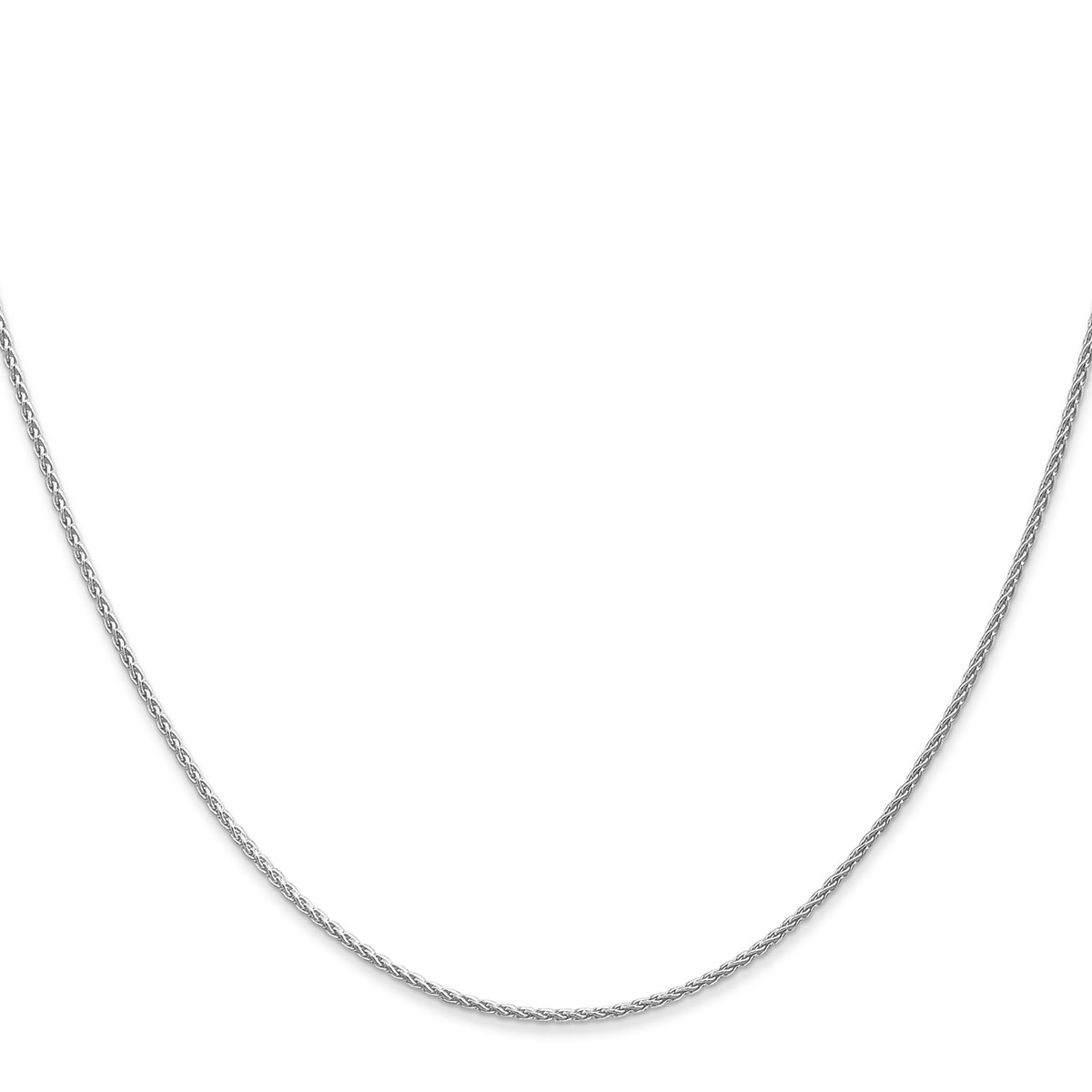
The texture of a wheat chain comes from how the links are built and connected. Instead of lying flat like curb links or forming open circles like cable chains, wheat links interlock in a braided pattern that resembles woven strands.
That weaving effect changes everything about how the chain behaves. The chain feels flexible but controlled. It drapes naturally without looking loose. Even slimmer wheat chains tend to feel more substantial visually because the pattern creates density across the surface.
This is also why wheat chains tend to reflect light differently than simpler link styles. A polished curb chain often reflects in broad flashes. A wheat chain breaks light into smaller moving highlights because the surface is constantly changing direction.
The texture is not added afterward. It is built into the chain itself.

Texture Makes Simple Chains More Interesting
Minimal jewelry works best when there is still something to look at. A plain smooth chain can sometimes disappear visually, especially in slimmer widths. Wheat chains avoid that problem naturally.
Even when worn alone without a pendant, the woven structure gives the chain enough detail to feel complete. It does not need heavy engraving or oversized links because the texture already creates movement.
This is one reason wheat chains work so well for everyday wear. They stay visually interesting without becoming overpowering. A thin wheat chain still catches the eye. A heavier one develops strong presence without relying on bulk alone.
There is also a tactile quality to wheat chains that many people appreciate once they wear one regularly. The chain feels smooth, but the woven structure gives it a different sensation than flatter link styles. It feels more dimensional in the hand.
Why Gold Wheat Chains Feel Richer in Yellow Gold
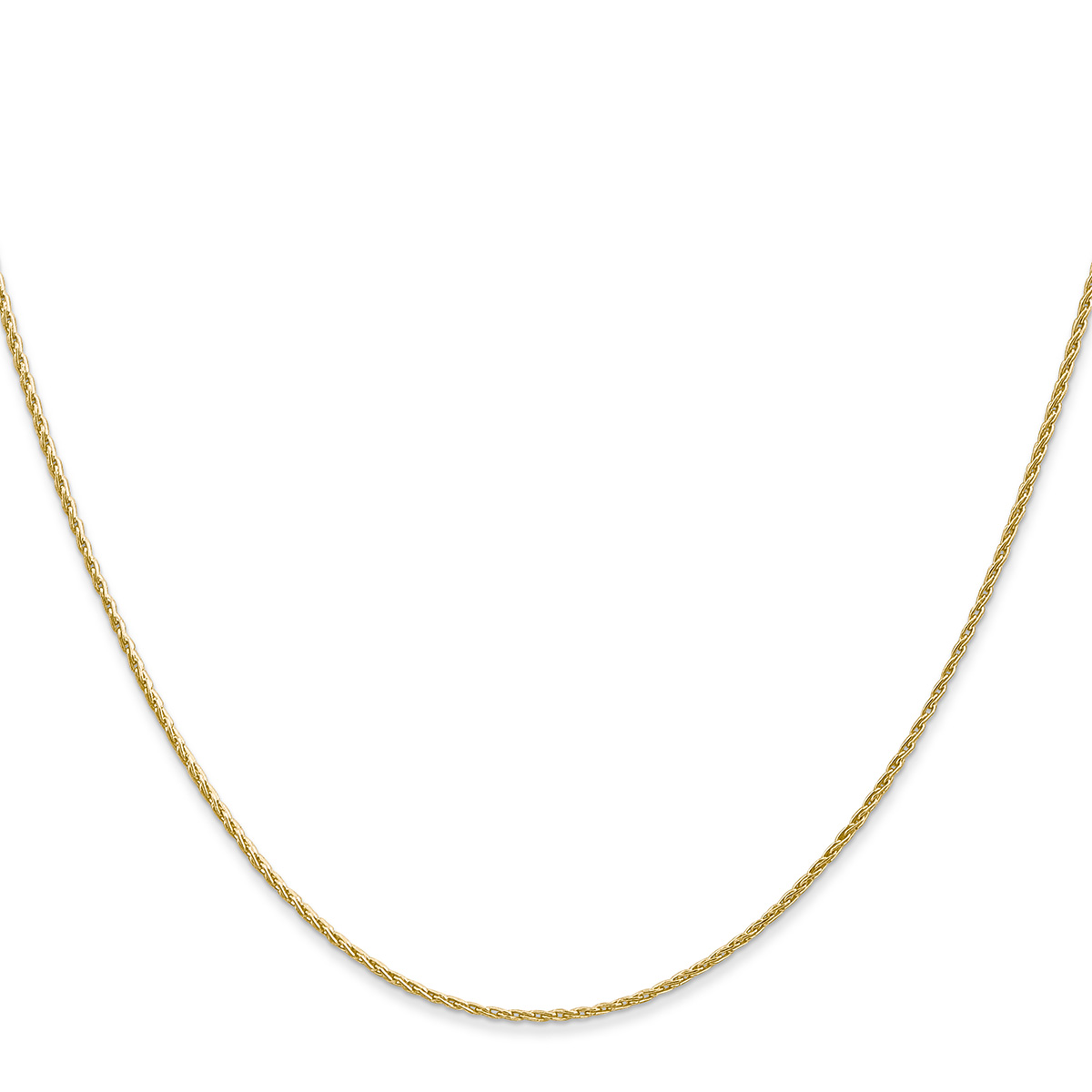
Certain chain styles seem especially suited to yellow gold, and wheat chains are one of them. The woven pattern amplifies the warmth of the metal because light reflects gradually across so many angled surfaces.
In yellow gold, the texture almost softens the chain visually. Reflections appear layered rather than sharp. This gives wheat chains a richness that often feels more refined than overly polished styles.
This is why many people are drawn toward gold wheat chains when they want something classic but not plain. The chain carries enough texture to stand on its own while still remaining timeless.
The woven pattern also helps the chain age gracefully. Small signs of wear blend naturally into the surface instead of standing out dramatically. Over time, the chain often develops more character rather than looking worn out.
That matters for jewelry intended for long-term use rather than occasional styling.
White Gold Changes the Personality Completely
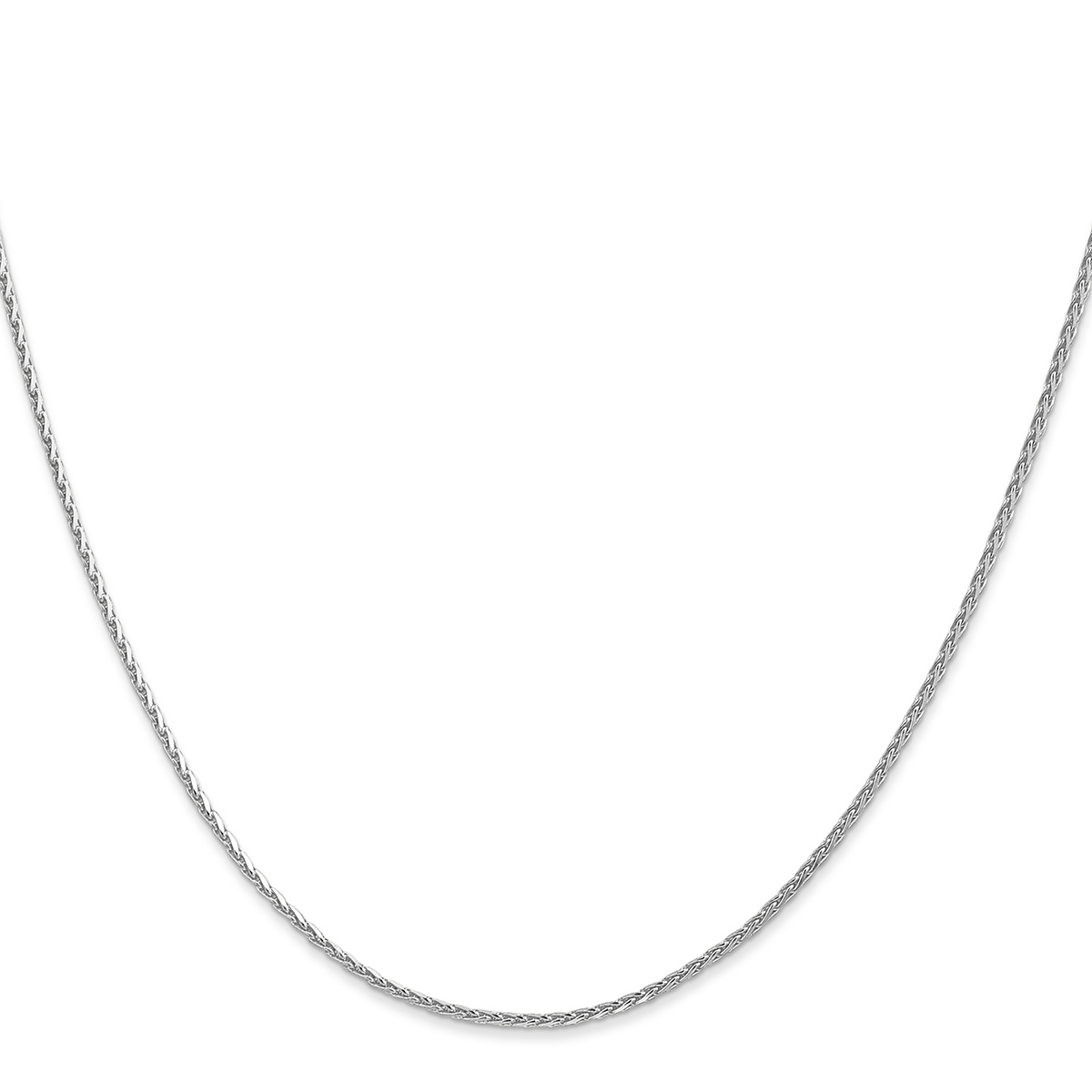
Metal choice can transform a chain style, and wheat chains show this clearly. White gold wheat chains keep the same woven structure but create an entirely different mood.
Instead of warmth, white gold emphasizes precision. The braided texture becomes sharper and more architectural because the cooler tone creates cleaner reflections across the links.
This gives white gold wheat chains a more modern feel while still preserving the complexity of the woven pattern. They pair especially well with contemporary jewelry, minimalist styling, and white-metal pendants because the texture adds interest without becoming visually heavy.
White gold also tends to make the woven structure more noticeable from a distance. The chain almost appears sculpted under certain lighting because the reflections stay crisp and controlled.
That balance between texture and restraint is difficult for many chain styles to achieve.
Why Wheat Chains Work So Well With Pendants
Some textured chains compete too aggressively with pendants. Others disappear completely once a pendant is added. Wheat chains land somewhere in the middle.
The woven pattern gives enough visual strength to support pendants naturally while still allowing the pendant to remain central. Crosses, lockets, coins, and solitaire pendants all tend to sit comfortably on wheat chains because the texture underneath feels balanced rather than distracting.
There is also a practical advantage. Wheat chains are known for flexibility and durability because of how tightly the links connect. The chain moves smoothly without feeling fragile, which makes it appealing for jewelry worn daily.
A well-made wheat chain can support surprisingly substantial pendants without looking strained or uneven.
That versatility helps explain why wheat chains continue to remain popular despite changing chain trends.
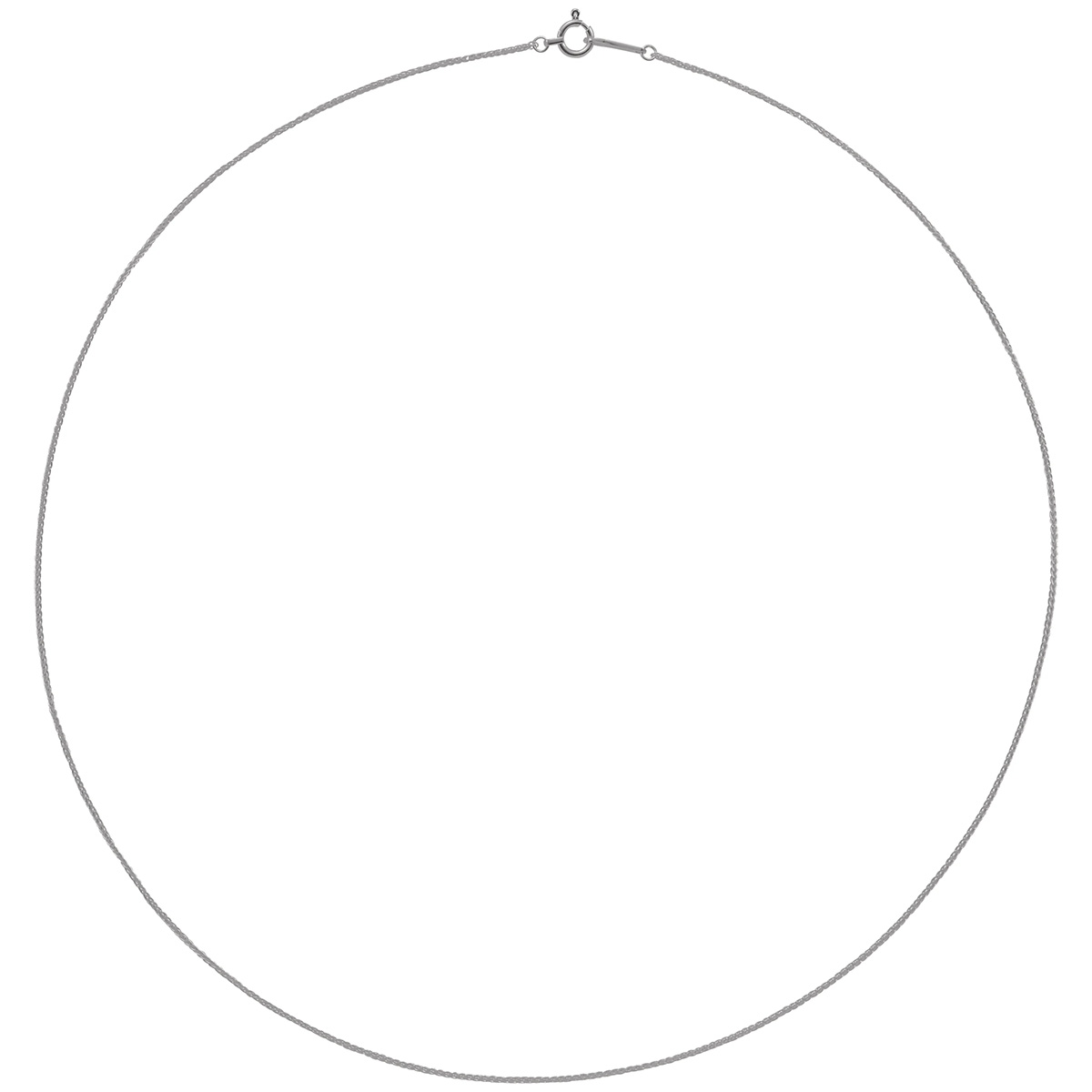
The Texture Makes Different Widths Feel Unique
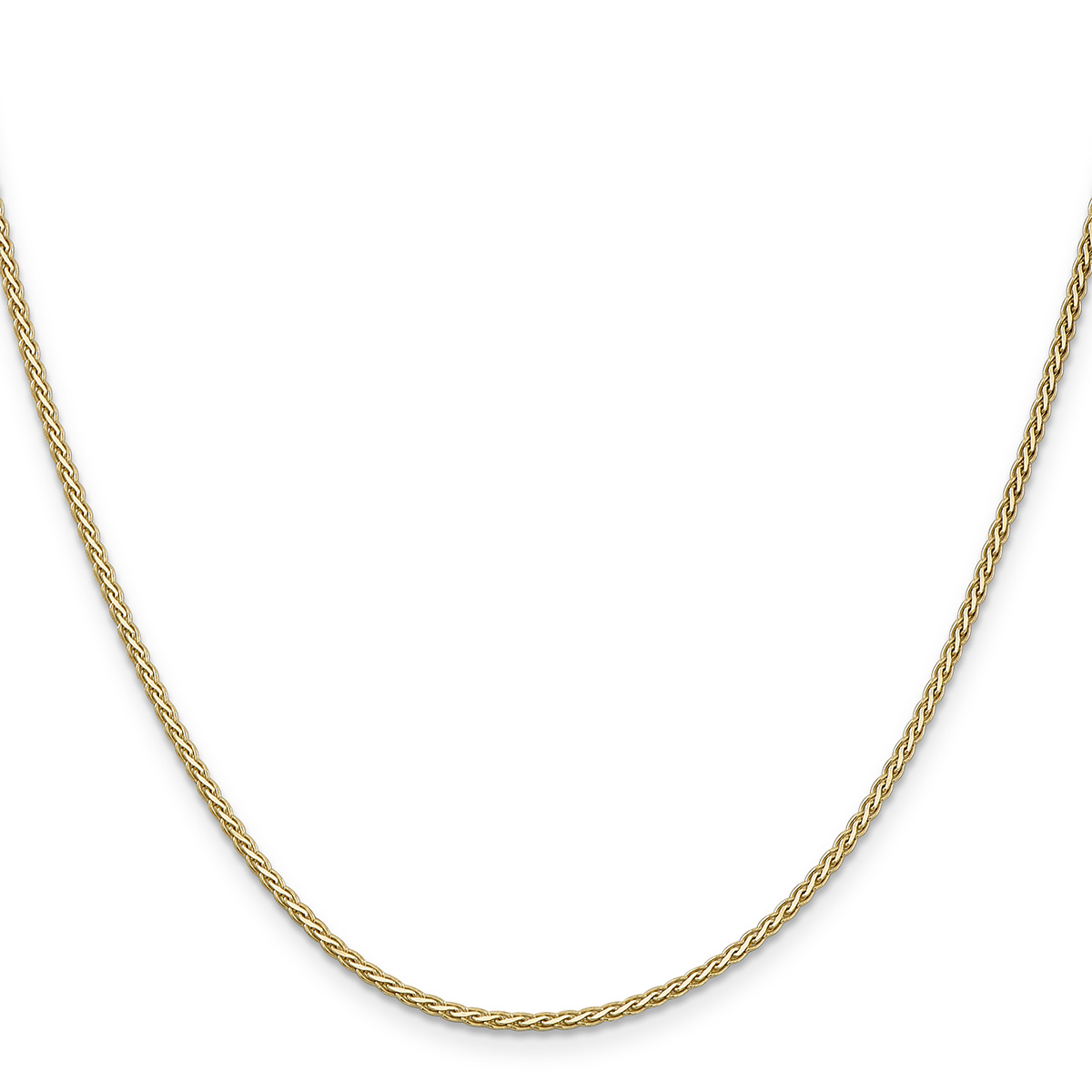
One interesting thing about wheat chains is how differently the texture behaves at different sizes. Slim wheat chains often look delicate and intricate because the woven pattern becomes extremely fine. The texture almost resembles fabric from a distance.
Heavier wheat chains create a completely different effect. The braid becomes more visible, more sculptural, and more substantial. Instead of softness, you start seeing stronger depth and shadow across the chain.
Yet even larger wheat chains rarely look chaotic. The woven structure stays controlled because the pattern repeats consistently.
This ability to scale upward or downward while maintaining identity is part of what makes wheat chains so enduring. Many chain styles only work visually at certain widths. Wheat chains adapt unusually well across size ranges.
Why Texture Often Ages Better Than Trend
Trend-focused jewelry usually depends on novelty. Extremely oversized links, exaggerated finishes, or unusual shapes may feel exciting briefly but can age quickly once styles shift.
Texture tends to survive longer because it creates visual interest without relying on extremes. Wheat chains are a perfect example of this. The chain feels distinctive immediately, yet nothing about the design screams for attention.
That restraint allows wheat chains to move across generations naturally. One person may wear a slim wheat chain with a religious pendant every day. Another may wear a heavier standalone version decades later. The styling changes, but the chain itself still feels relevant.
Good texture outlasts trend because it works at a deeper design level.
Why Wheat Chains Feel More Personal Over Time
Some jewelry pieces become more enjoyable after years of ownership rather than less. Wheat chains often fall into that category.
The woven structure softens slightly through wear without losing definition. The chain becomes familiar physically because of how naturally it drapes and moves. Many people eventually stop noticing the chain consciously until they take it off and realize how much they are used to it being there.
That familiarity creates attachment. Jewelry that wears comfortably and ages gracefully tends to stay in rotation longer.
And because wheat chains already carry so much texture naturally, they rarely need constant styling changes to stay interesting. The chain itself provides enough character.
Related Posts


Recent Posts
Why Braided Wedding Bands Are the Most Romantic Twist on Tradition
Why a Gold Cross Necklace Is the Most Meaningful Piece in Your Jewelry Box
The Platinum Chain Necklace That Instantly Makes Any Outfit Look Expensive
Why a Gold Crucifix Necklace Is the Most Powerful Piece You’ll Own
The Hidden Power of Wearing a Gold Cross Necklace Every Day
Why I’ll Never Take Off My 18K Gold Cross – Even in the Shower
Men's 14K White Gold Cross Necklace with Round Box Chain
Yellow Gold Chains You Can Wear in the Shower
Engravable Thick Gold Disc Charm Pendants: The Gift That Lasts Forever
Braided Wedding Bands Tell the Story of Two Lives Woven Into One
Gold Chains
Yellow Gold Chains You Can Wear in the Shower
Choosing the Right Gold Chain for Your Cross Pendant
Gold Wheat Chain vs Curb Chain: Which is Better?
Why Every Jewelry Collection Needs a Classic Curb Chain Necklace
Why Gold Wheat Chains Are the Most Textured Chain You’ll Ever Wear
Why Gold Curb Chains Feel So Much Stronger Than They Look
Why Gold Curb Chains Never Go Out of Style
Why 14K Gold Wheat Chains Are the Ultimate Everyday Heirloom
Top Five 18K Gold Chains for Men
3 Ideal Chains for Your Gold Cross Necklace