Your Cart (0)



What Does 950 Mean on Platinum Chains?
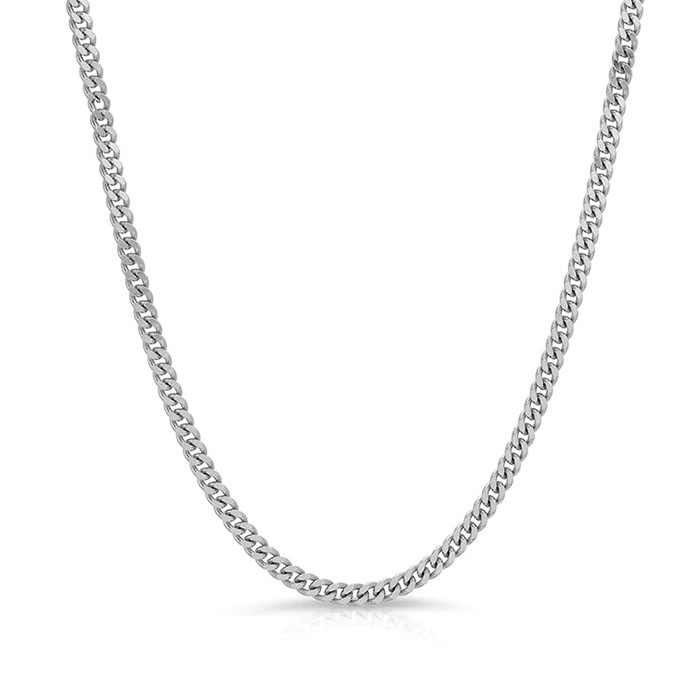
Ever notice a tiny “950” engraved on the clasp of platinum chains and wonder what it’s about? That small number might not mean much to the average eye, but for anyone buying fine jewelry—it says a lot.
It’s not a model number or inventory code. It's a mark of the metal's purity. When you see "950" on a platinum chain, it means the piece is made up of 95% platinum. The rest is just a small amount of alloy to give the metal the right balance of strength and workability.
To someone unfamiliar with jewelry markings, it might seem like a minor detail. But it tells you something important: you’re looking at a high-quality chain, crafted with one of the most respected and durable metals in the jewelry world.
What Makes Platinum Special?
Let’s back up a bit. Why platinum at all?
It’s not just another shiny metal. Platinum is heavy, naturally white, and extremely rare. It doesn’t fade. It doesn’t tarnish. And it doesn’t wear away like gold might with time. That alone makes it a go-to for anyone who wants a chain that’ll last more than a few years without losing its character.
Pure platinum—100%—is actually a bit too soft for day-to-day wear, especially for chains. So, jewelers mix in a small amount of harder metals to toughen it up. That’s where the 950 figure comes in. It tells you that 95% of the chain is real platinum, while the remaining 5% is added to make it hold up better over time.
It’s the standard in high-end jewelry. You might see other numbers like 900 or 850, meaning 90% or 85% platinum, but 950 hits the sweet spot between purity and practicality.
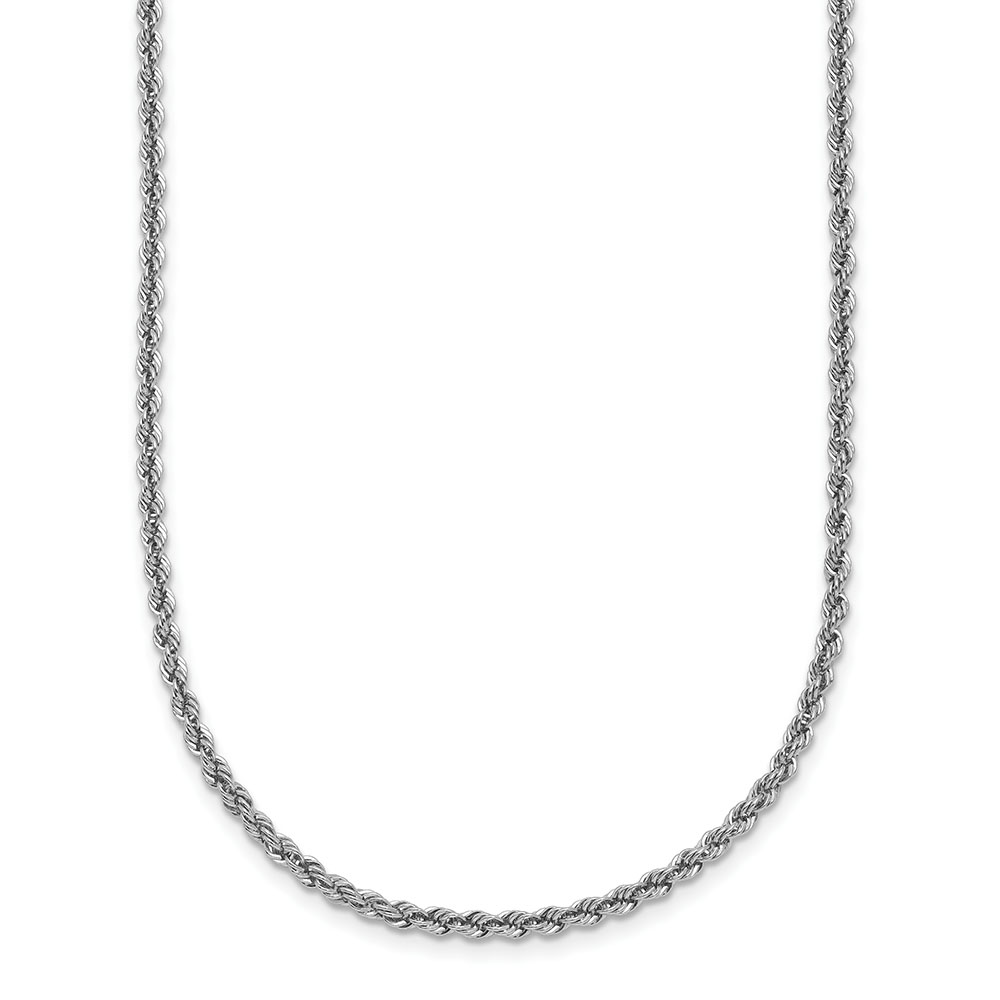
Why the 950 Mark Matters for Chains
Chains go through more wear than rings or earrings. They move, they twist, they catch on collars. A good chain needs strength. That’s where 950 platinum stands out.
This particular alloy ratio keeps the metal’s natural beauty while making it durable enough to last. And if you’ve ever held a platinum chain, you know the feeling—it’s noticeably heavier than a gold one of the same size. It feels solid. Permanent.
That weight also affects price. Platinum isn’t just rare—it’s dense. So, when you buy a platinum chain, you’re getting more metal per inch than you would with something like gold or silver. Add in the craftsmanship needed to work with a high-melting-point metal like platinum, and the value becomes clear.
But for many, it’s worth it. You're getting something real—something that can be passed down and still look good decades from now.
Looks and Longevity
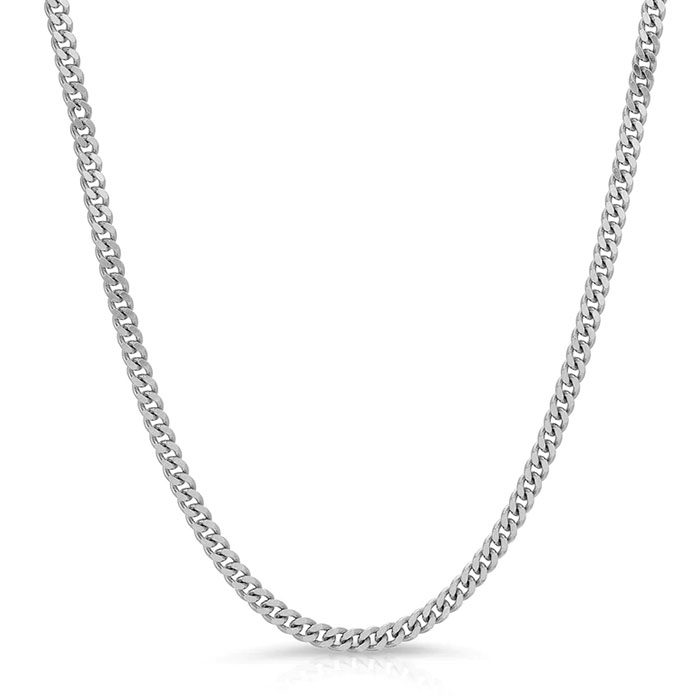
If you’ve only worn white gold or silver before, platinum feels different—both in look and weight. It doesn’t have that ultra-shiny finish straight out of the box. Instead, it reflects light with a softer, steadier glow. It's more refined than flashy.
Over time, platinum doesn’t lose its shine, but it does change slightly. The surface develops what’s called a patina—a matte-like finish that builds with use. For some, that worn-in look is part of the appeal. It gives the chain character. And if you prefer a polished finish, a jeweler can bring back the original shine without a problem.
One of the best parts? No replating. White gold needs a rhodium coat to stay bright that wears off. Silver tarnishes. Platinum? It just stays platinum.
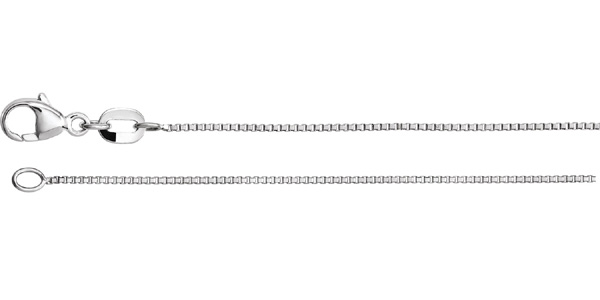
What the Mark Tells You About Value
Seeing that 950 stamp on a chain isn’t just about checking off a box for quality. It also lets you know exactly what you’re paying for.
You’re getting a piece that’s mostly made from one of the most durable, rare metals on the planet. That means it doesn’t just look good—it lasts. A platinum chain marked “950” won’t thin out, lose its finish, or flake over time. That’s not how this metal behaves.
It also plays well with sensitive skin. Platinum is hypoallergenic, so if you’ve ever had a bad reaction to other metals, this is a safer bet.
While it’s more expensive, that cost covers a lot—material, longevity, and craftsmanship. Platinum is tough to work with. Jewelers need special tools and plenty of skill to shape it right. So, when you buy a chain stamped “950,” you’re not just paying for the metal itself. You're also paying for the hands that shaped it.
How to Tell If It's Genuine
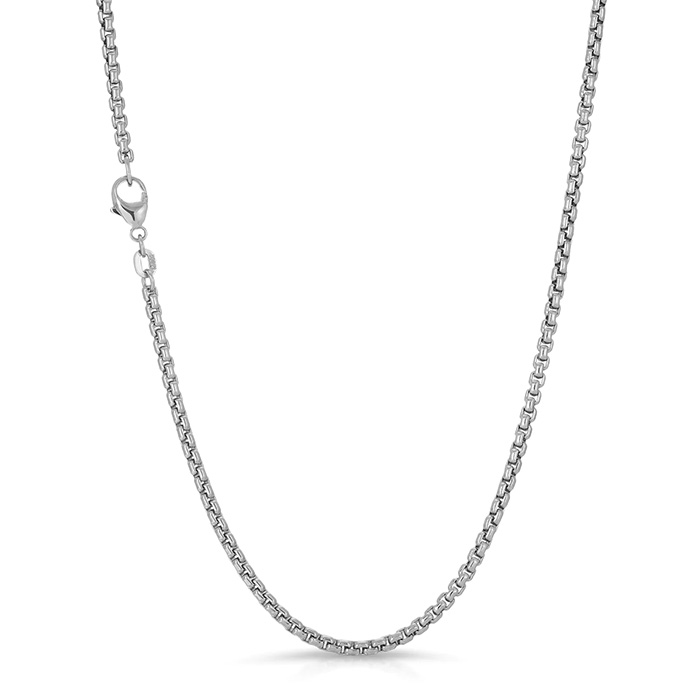
Any quality platinum chain will be marked clearly. Look for “950Pt,” “Pt950,” or even “950 Platinum” stamped near the clasp. Those marks are your confirmation that the piece meets the 95% standard.
If the stamp only says “950” and nothing else, or if there’s no marking at all, that’s a reason to dig deeper. Reputable jewelers are upfront. They’ll provide clarity about the metal content, and most will even include documentation with your purchase.
Here’s another quick tip: platinum isn’t magnetic. So, if a chain labeled “platinum” clings to a magnet? It’s not the real deal.
Who’s Buying Platinum Chains?
People who choose platinum often aren’t doing it for flash. In fact, it’s usually the opposite.
They tend to be the types who appreciate durability and simplicity. They want something that won’t require babysitting or polishing every other week. They want a piece that just works—year after year.
Sometimes it marks a big moment—an anniversary, a promotion, a major milestone. Other times, it’s just a quiet statement of quality. A platinum chain pairs well with everything. It doesn’t clash with formalwear, but it’s just as at home next to a hoodie and jeans. That versatility is part of the draw.
For some, one good chain that never has to come off is better than a drawer full of pieces that only last a season.
Related Posts


Recent Posts
Yellow Gold Chains You Can Wear in the Shower
Engravable Thick Gold Disc Charm Pendants: The Gift That Lasts Forever
Braided Wedding Bands Tell the Story of Two Lives Woven Into One
The Soft Strength of Women's Gold Crosses: Faith That Feels Feminine
Why 18K Gold Cross Pendants Never Go Out of Style
Why Cross-Inspired Christian Engagement Rings Are Dominating Bridal Fashion
Why Christian Patriots Are Choosing American Flag Jewelry
How Wearing a Cross Pin Can Deepen Your Daily Prayer Life
The Beautiful Story Behind Handmade Braided Wedding Bands
Why More Men Are Wearing Gold Crucifix Necklaces
Platinum Jewelry
The Underrated Beauty of Platinum Chains That Outlast Trends
What Does 950 Mean on Platinum Chains?
The Perfect Platinum Rope Chain for Pendants
The Purity of Platinum Chains
The Advantage of a Platinum Curb Chain Over White Gold
Authenticating Platinum Chains – A Comprehensive Buyer’s Guide
Why Platinum Chains are Superior to White Gold Necklaces
Platinum Power: How Curb Chain Necklaces Became the Must-Have Accessory
Mastering the Art of Layering with Platinum Curb Chains
The Platinum Chain Investment: Analyzing Market Value Over Time