Your Cart (0)



Comfort Fit vs Traditional Wedding Bands
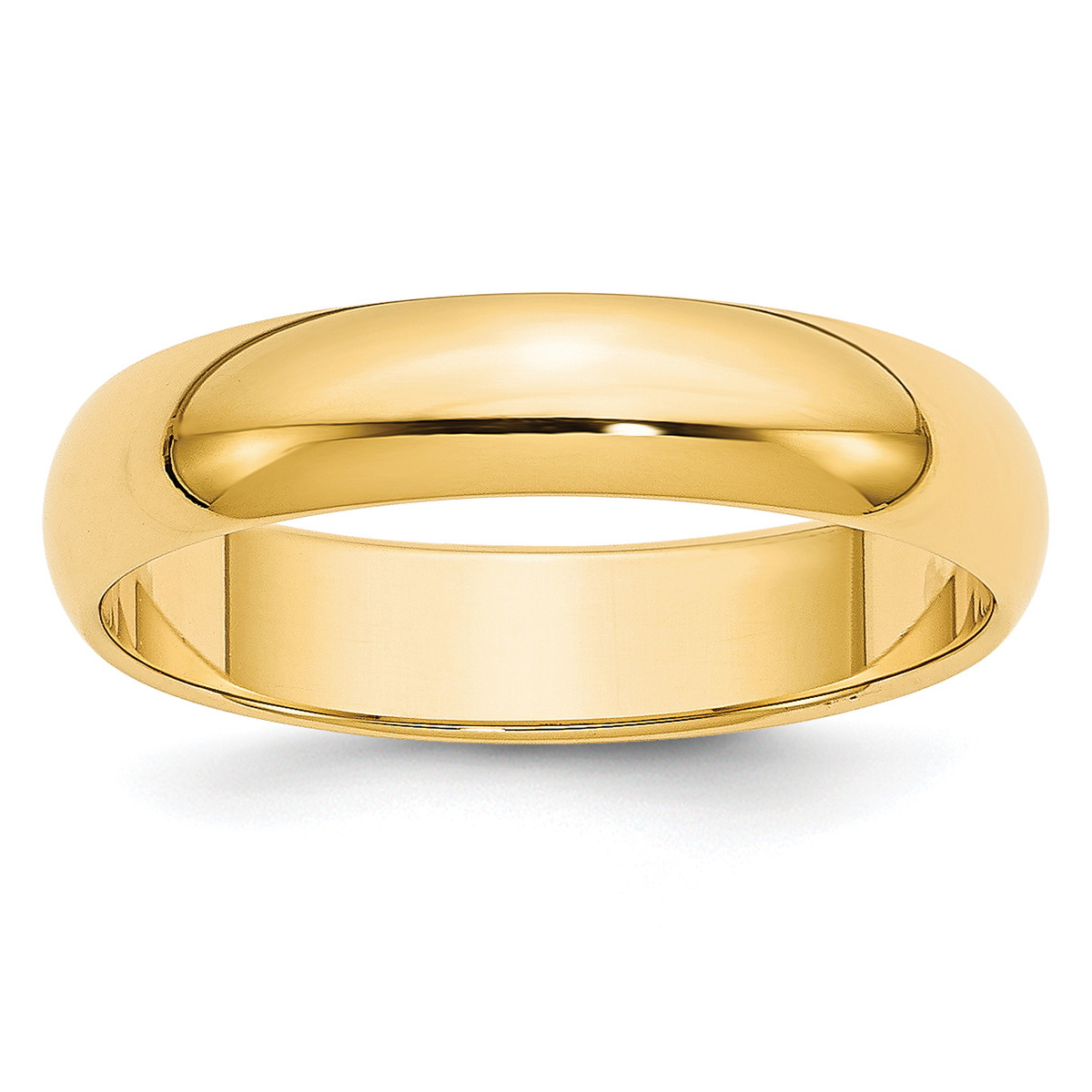
Choosing the Ring You Will Actually Live In
Most people spend a great deal of time choosing a wedding band based on appearance. They compare widths, metals, finishes, engraving options, and whether the ring looks timeless enough to wear for decades. Those details matter. But there is another decision that often gets less attention at first and more attention later: the interior shape of the ring.
That is where the discussion between Comfort Fit Wedding Bands and Traditional Wedding Bands begins. One focuses on a rounded interior designed for easier wear. The other keeps the classic flat inner profile that has been used for generations. Neither choice is automatically right for everyone. Each has strengths depending on personal preference, finger shape, lifestyle and what kind of feel the wearer prefers.
This is one of those decisions that sounds minor until you wear the ring every day. Then it becomes surprisingly important.
What Comfort Fit Wedding Bands Are
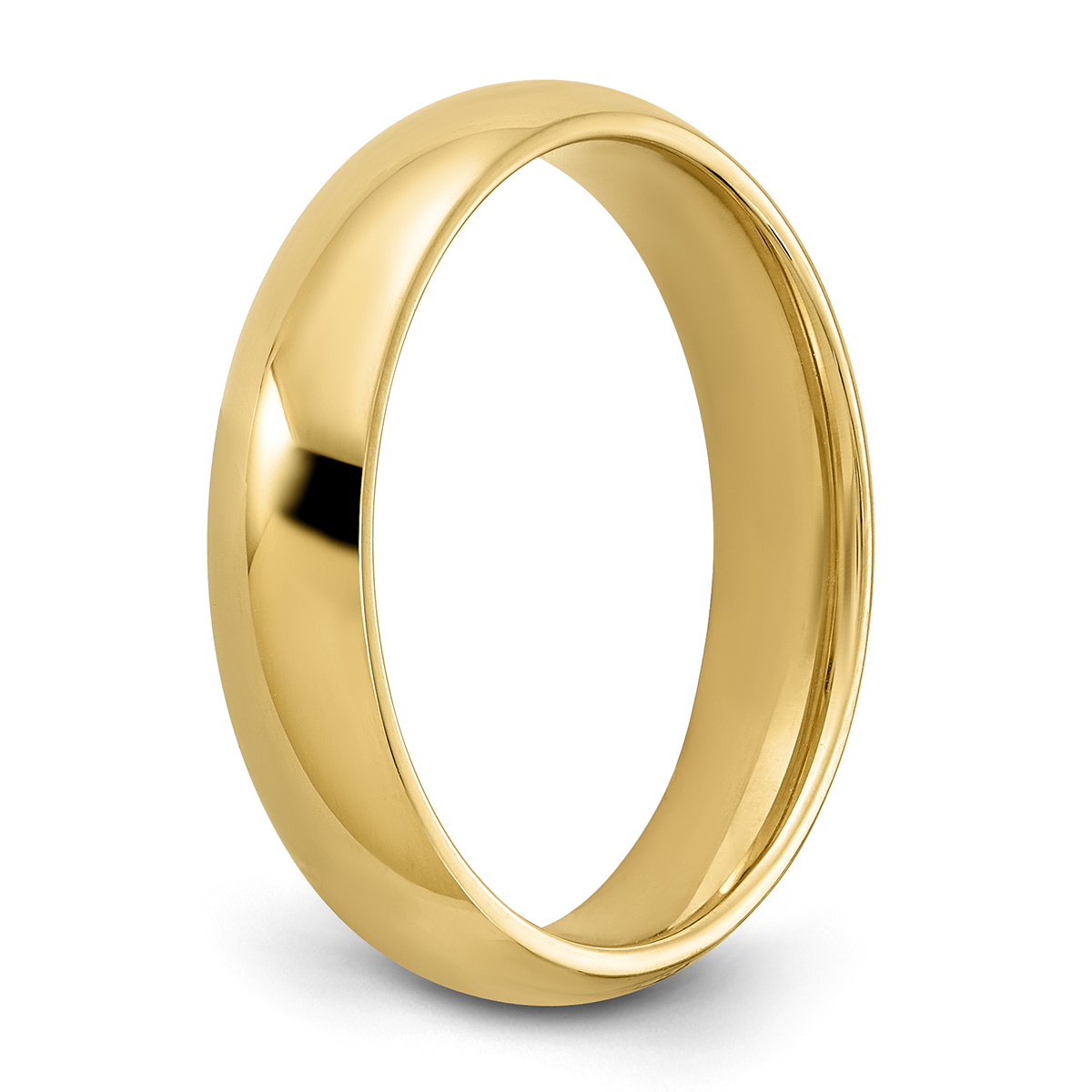
A comfort fit band has a slightly domed interior rather than a flat inside surface. The edges inside the ring are softened, and the contact area against the finger is reduced. That subtle engineering can change the wearing experience more than people expect.
Many people notice that comfort fit rings slide over the knuckle more smoothly and feel less restrictive during long wear. If fingers tend to swell slightly in warm weather, after exercise, or during travel, the rounded interior can feel more forgiving.
This is one reason Comfort Fit Wedding Bands are often recommended for people who plan to wear their ring continuously. They can be especially popular in wider band widths, where a flat interior might otherwise feel more substantial on the finger.
That said, not everyone prefers them immediately. Some wearers like feeling more ring contact and find the traditional flat style reassuring. Personal response matters here more than theory.
What Traditional Wedding Bands Offer
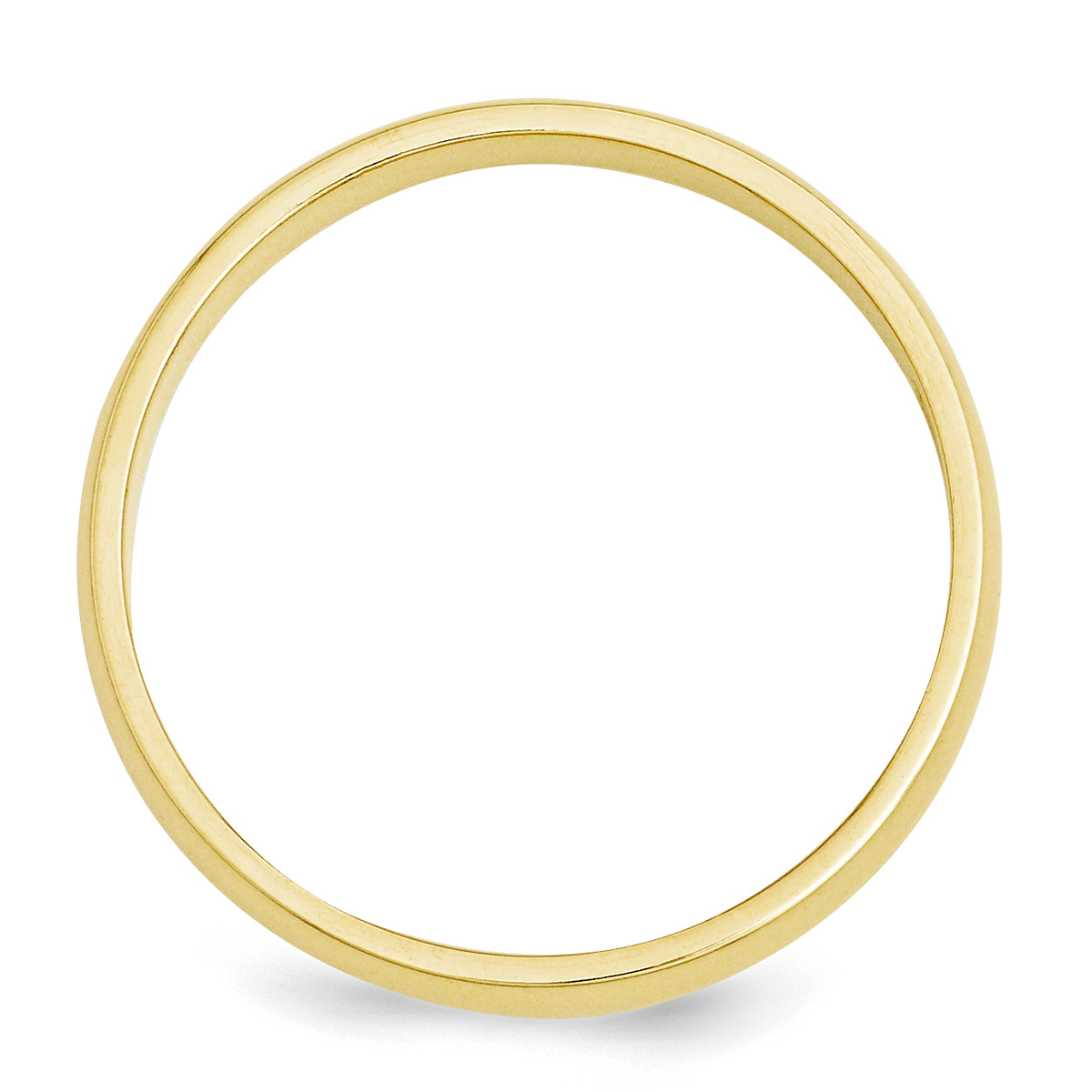
The phrase "traditional" usually refers to a band with a flat inner surface. This has been a standard ring construction for generations and remains widely available. It is familiar, straightforward, and often slightly lighter in feel than a comfort fit version of the same width because less metal may be used in the interior curve.
Many buyers appreciate Traditional Wedding Bands for their classic simplicity. The ring can feel secure and stable, with more surface contact against the finger. Some people genuinely prefer that sensation because it reminds them the ring is there without feeling loose.
Traditional bands can also be a strong choice for slimmer widths, where comfort concerns are naturally reduced due to less overall material touching the finger. In narrow styles, the difference between flat and comfort interiors may feel smaller than expected.
There is also something appealing about continuity. Traditional bands connect directly to the rings worn by earlier generations, often with very little design change.
Why Fit Feels Different From Person to Person
Two people can try on the same ring and have opposite reactions. One may say it feels perfect. The other may want it off in ten seconds. That is normal. Fingers vary in shape, knuckle size, skin texture, and how they respond throughout the day.
Someone with larger knuckles but slimmer fingers may appreciate the easier slide of a comfort fit ring. Someone whose finger shape is more even from knuckle to base may enjoy the steadier contact of a traditional interior.
Climate and routine also matter. A person working with their hands, traveling frequently, or living in heat may notice comfort differences more than someone who removes jewelry often or works in a climate-controlled setting.
This is why broad statements about which style is "better" usually miss the point. Rings are worn by individuals, not averages.
The Role of Plain Wedding Bands in This Decision
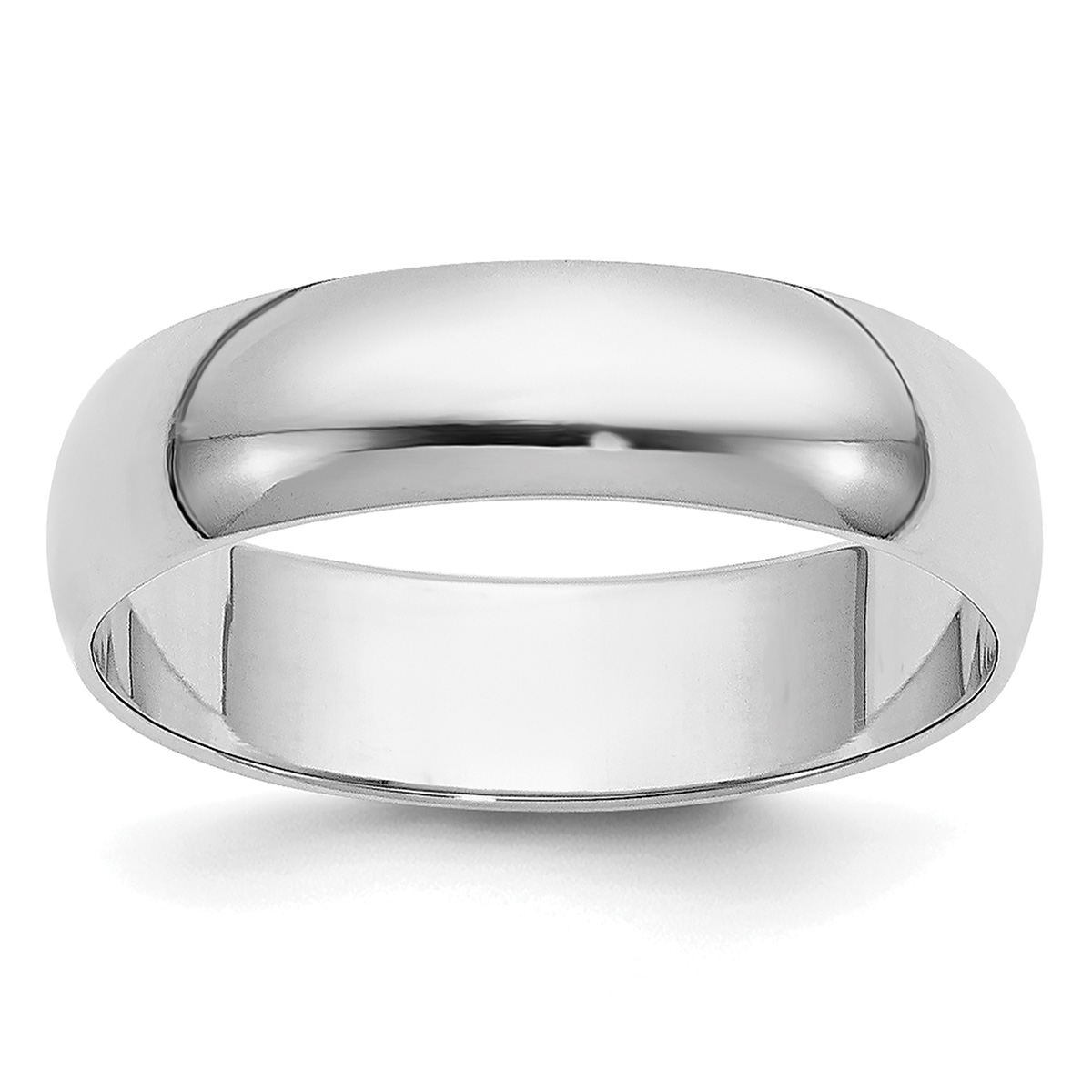
When people think of timeless rings, they often picture Plain Wedding Bands. No stones. No elaborate edges. No trend-driven styling. Just metal, proportion, and symbolism.
Plain bands are where interior shape becomes even more important because there are fewer external features competing for attention. If the design is intentionally simple, then wearability becomes part of the design itself.
A plain comfort fit ring may feel refined through ease. A plain traditional ring may feel elegant through classic directness. Both can look nearly identical from the outside while offering a noticeably different daily experience.
This is one reason couples shopping for plain bands should spend extra time trying both profiles. The outside may not settle the decision. The inside often will.
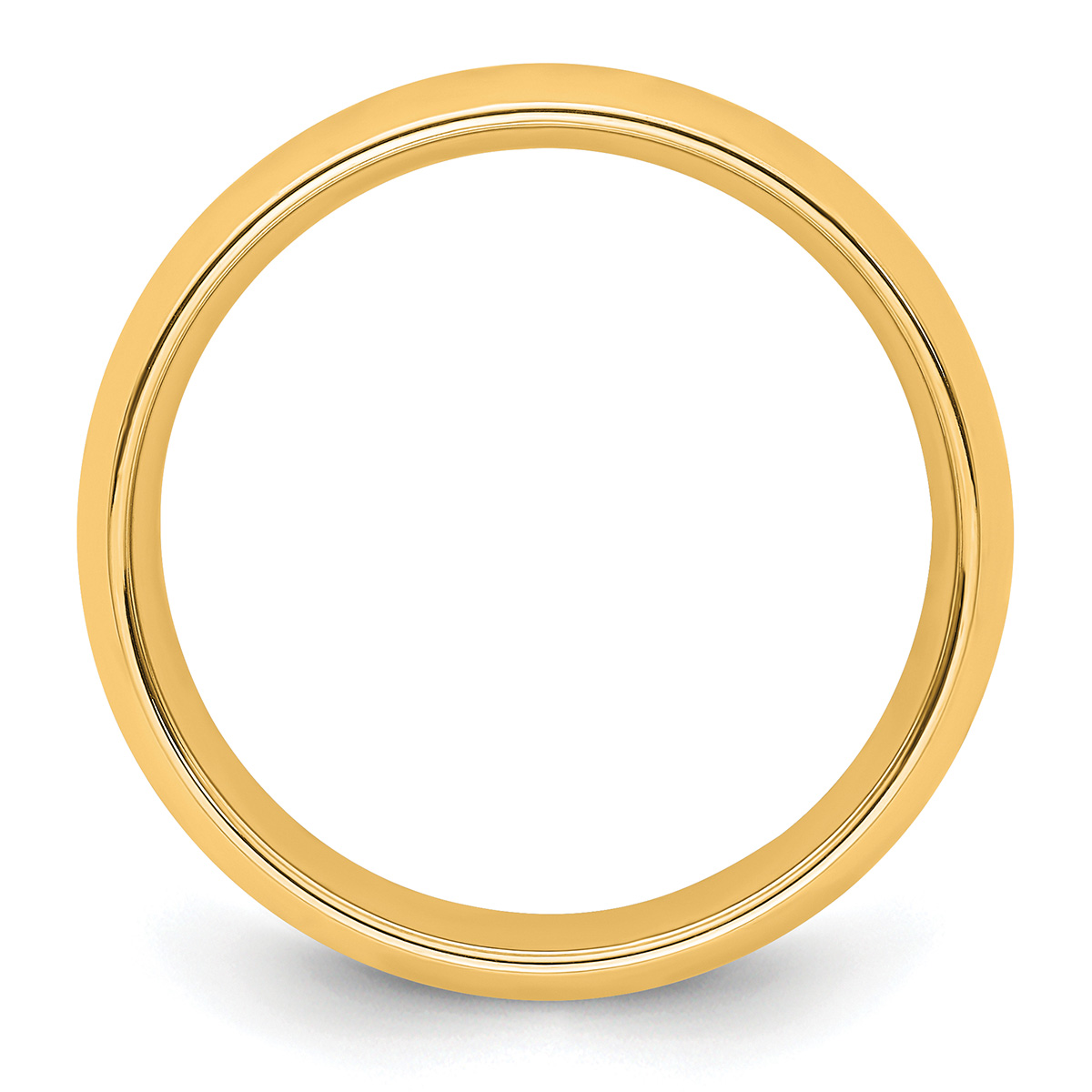
Yellow Gold Wedding Bands and Interior Style
Yellow Gold Wedding Bands remain one of the most enduring choices for marriage jewelry. They carry warmth, history, and an unmistakably classic tone. Yellow gold also develops character beautifully over time, often showing wear as patina rather than damage.
In comfort fit form, yellow gold bands can feel especially smooth and easy to wear. In traditional form, they often feel rooted and classic, echoing the rings many parents and grandparents wore.
Because yellow gold already leans traditional in cultural memory, some couples naturally pair it with a traditional interior. Others like the contrast of old-world appearance with modern comfort engineering. Both approaches make sense.
This is a good example of how ring decisions are rarely isolated. Metal and interior profile often influence each other emotionally as much as physically.
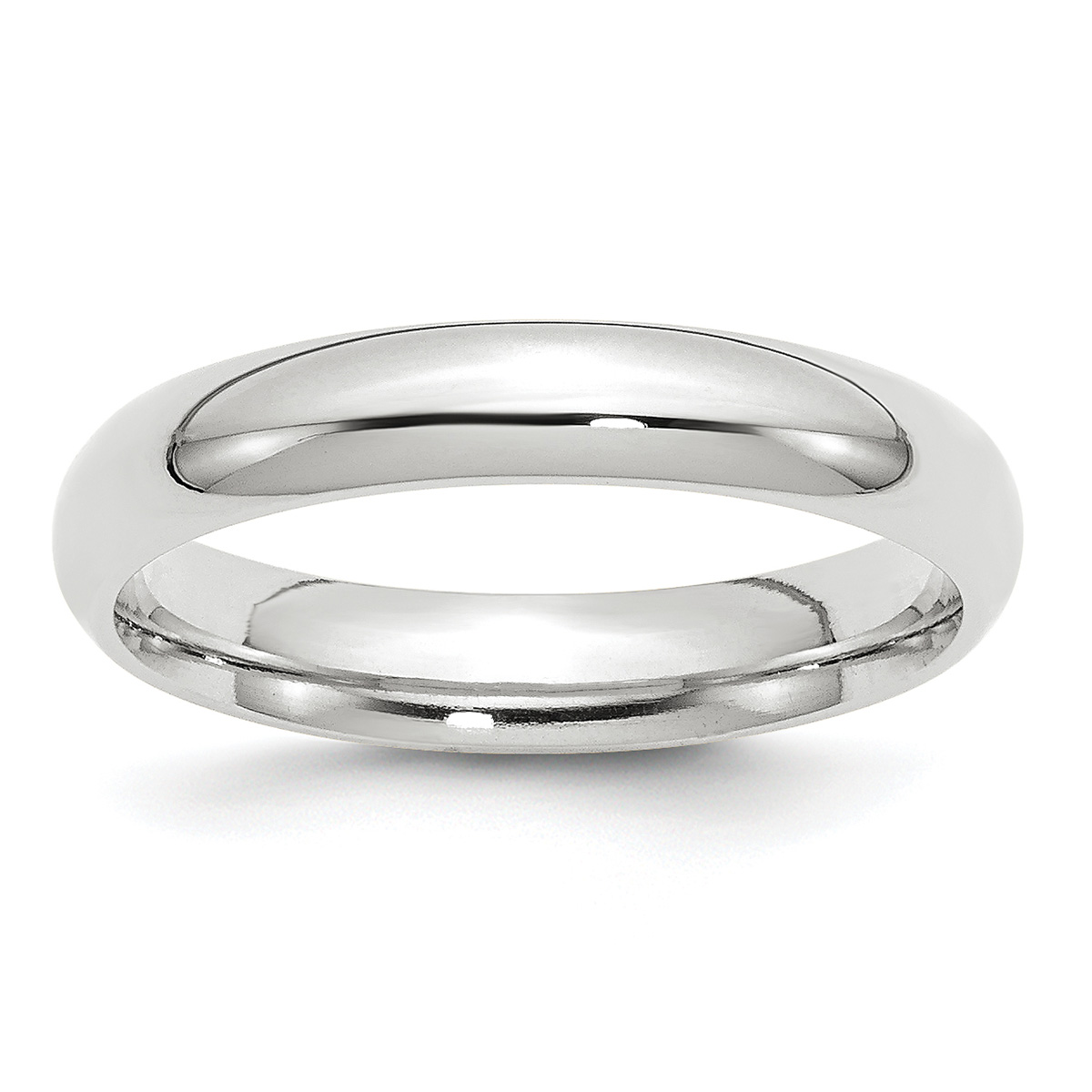
White Gold Wedding Bands and Modern Preferences
White Gold Wedding Bands tend to attract buyers looking for a cooler, more contemporary appearance. They pair easily with many engagement rings, watches, and modern wardrobes. Their neutrality is part of their appeal.
Because white gold often feels modern stylistically, many couples instinctively explore comfort fit interiors with it. The combination of sleek exterior and ergonomic interior feels cohesive.
Still, traditional white gold bands have their own appeal. A clean flat interior with a crisp polished exterior can feel minimal, direct, and elegant. There is no rule that modern metal requires modern construction.
Again, preference leads. The best choice is the one that disappears into daily life in the right way.
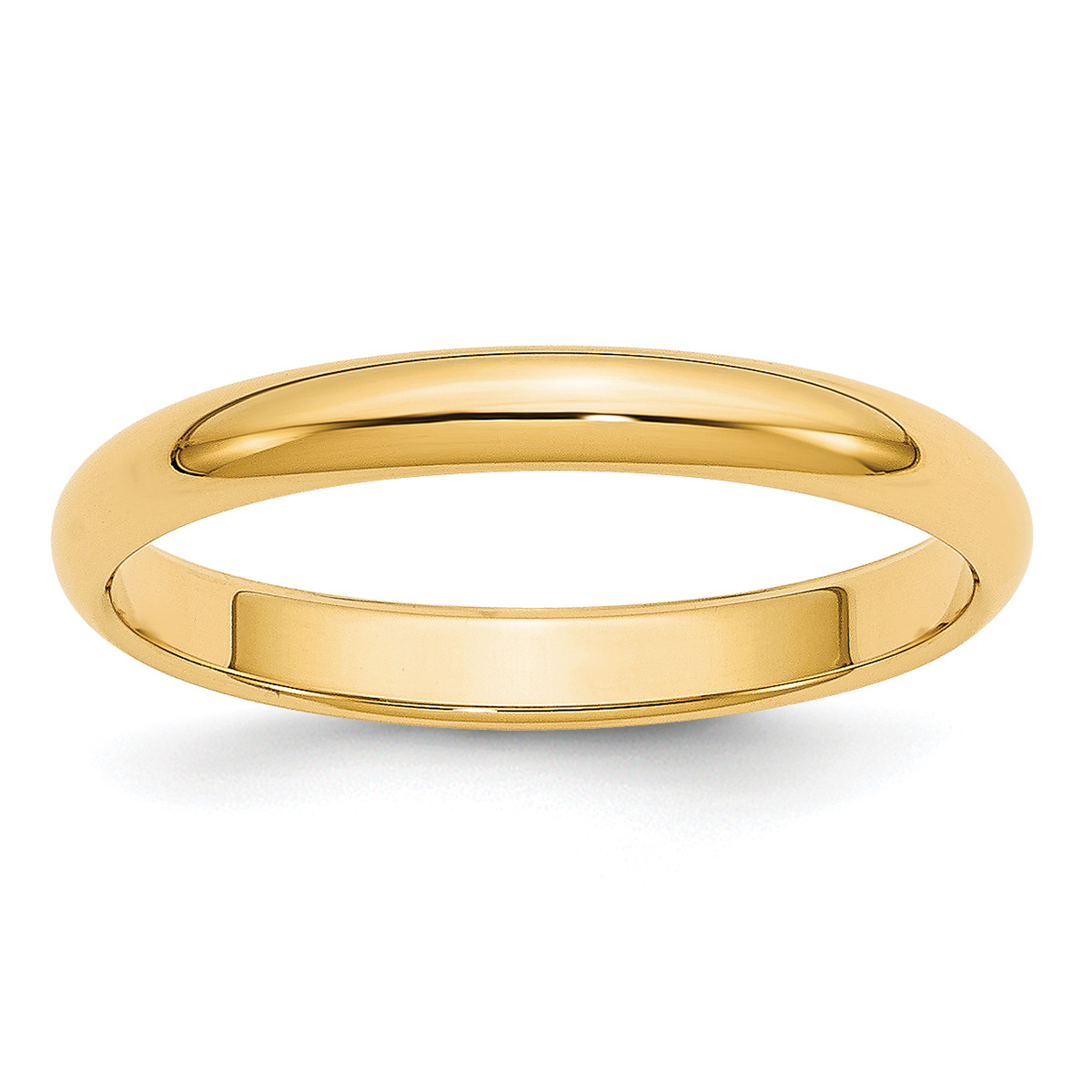
Width, Weight, and How They Affect the Choice
Band width changes everything. A narrow 2 mm or 3 mm ring may feel comfortable in either profile because there is less surface area involved. Once bands become wider, the difference between comfort fit and traditional can become more noticeable.
Weight matters too. Some people love a substantial ring and want to feel it constantly. Others prefer a ring that is present but unobtrusive. Comfort fit rings sometimes feel smoother with heavier bands, while traditional rings may feel more anchored.
This is why trying on multiple widths in both profiles can be more useful than reading descriptions online. A person who dislikes one style in a 6 mm band may enjoy it in a 4 mm band.
Small physical changes can create large preference changes.
Long-Term Ownership vs First Impression
A common mistake is choosing only by first impression. A ring may feel impressive in the store yet become tiring after twelve-hour days. Another may feel subtle at first and become the favorite after months of wear.
Wedding bands are unusual purchases because they are intended for decades, not weekends. It can help to think beyond the first ten minutes. How will it feel during summer? While traveling? During exercise? During long typing sessions?
Neither comfort fit nor traditional has a monopoly on success here. The better question is which one suits your actual life.
Related Posts
Wedding Bands, Wedding Bands for Men, Wedding Bands for Women, Wedding Jewelry, Wedding Rings

Recent Posts
Yellow Gold Chains You Can Wear in the Shower
Engravable Thick Gold Disc Charm Pendants: The Gift That Lasts Forever
Braided Wedding Bands Tell the Story of Two Lives Woven Into One
The Soft Strength of Women's Gold Crosses: Faith That Feels Feminine
Why 18K Gold Cross Pendants Never Go Out of Style
Why Cross-Inspired Christian Engagement Rings Are Dominating Bridal Fashion
Why Christian Patriots Are Choosing American Flag Jewelry
How Wearing a Cross Pin Can Deepen Your Daily Prayer Life
The Beautiful Story Behind Handmade Braided Wedding Bands
Why More Men Are Wearing Gold Crucifix Necklaces
Wedding Bands for Women
Braided Wedding Bands Tell the Story of Two Lives Woven Into One
The Beautiful Story Behind Handmade Braided Wedding Bands
Handmade Braided Wedding Bands Made in the USA
How to Choose the Perfect Plain Wedding Band for Everyday Wear
Comfort Fit vs Traditional Wedding Bands
Why Every Couple Needs Comfort Fit Wedding Bands
The Art of Gold Braided Wedding Bands
Intertwining Souls with Braided Wedding Bands for Men
A Guide to Choosing Christian Wedding Bands for Your Sacred Union
Woven Wedding Bands for Women and Men